


.png)
Back Pain Relief Starts with Physiotherapy: Combining Treatment and Pilates
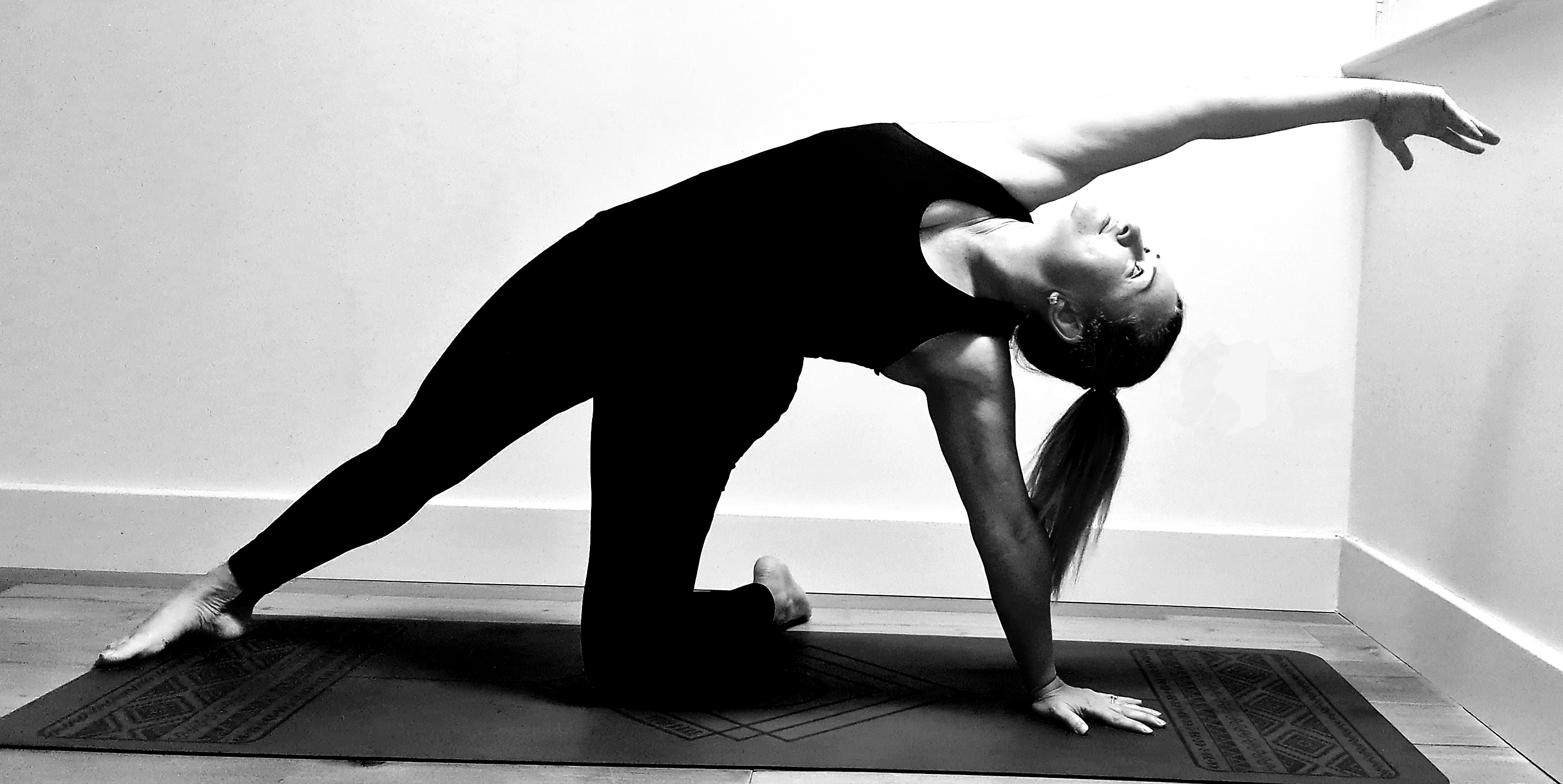
Why Physiotherapy Should Be Your First Step for Back Pain

Back pain is one of the most common reasons people seek help and it’s something I treat every day as a physiotherapist.
Whether you’re an office worker, parent, runner, or gardener, your body, lifestyle, and movement habits are completely unique. That means the cause of your back pain is likely very different from someone else’s.
Back pain can develop from repeated movement patterns, muscular imbalances, prolonged or fixed postures (yes, desk work counts), overload, poor recovery, or inactivity. Often, it’s a combination of several factors rather than one single issue.
The good news?
Most back pain is very treatable.
While there are some conditions that require further investigation, the majority of people improve significantly with the right assessment and guidance.
This is why physiotherapy should always be the first line of treatment.
Why Physiotherapy Matters for Back Pain
Physiotherapy is not just about treating pain. It’s about understanding why the pain is there in the first place.
A thorough physiotherapy assessment allows us to:
Identify the source of your pain
Rule out more serious conditions
Reduce pain and settle flare-ups
Restore movement and confidence
Create a clear plan for recovery
Once pain is under control, the next step is just as important, and often one that gets skipped once people are feeling better: rehabilitation.
This is where many people stop their recovery too early. Pain settles, life gets busy, and rehab stops too early. Sound familiar??
Why rehabilitation is so important:
Rehabilitation bridges the gap between pain relief and long-term recovery. It addresses the areas that caused the pain in the first place, particularly when there is a weakness or imbalance in the muscles.
When I first started teaching mat Pilates, many of my students were also patients from the physio clinic where I worked. They attended Pilates alongside their physiotherapy treatment.
Over time, I noticed a clear pattern: They needed fewer physiotherapy appointments or stopped needing treatment altogether!
Because they became stronger, more resilient, and more confident in their movement.
Why Pilates Works So Well After Physiotherapy
Pilates, when taught by a Physiotherapist, or by an experienced comprehensively-trained Pilates instructor, is an ideal rehabilitation tool for back pain.
Through Pilates-based rehab, clients were:
Strengthening the muscles and tendons that support the spine
Moving the spine safely in all directions
Training with resistance (springs on the Pilates equipment, props, or body weight)
Improving body awareness and control
Occasional maintenance treatment was sometimes needed, but most people learned how to manage their symptoms independently. And if a flare-up did occur, it was usually shorter and far less intense.
That’s the power of a combined approach.
What Makes Pilates So Effective for Back Pain?
Pilates is a whole-body approach to movement and strength.
It focuses on:
Core, back, arm, and leg strength
Controlled movement and spinal mobility
Progressive resistance using body weight or Pilates apparatus (equipment such as reformer, cadillac, wunda chair, barrels, etc).
Building tendon and muscle strength to support joints
Strengthening muscles and tendons helps protect the spine and joints long-term. Combined with improved mobility and control, this creates resilience, not just short-term relief.
Most people notice meaningful improvements around the 6–8 week mark, provided they remain consistent. Progress takes time, but the results are lasting.
Consistency really is the key to success.
What to Expect from a Physio → Pilates Approach
When physiotherapy and Pilates is combined, the results are powerful.
You can expect:
A full physiotherapy assessment
Pain relief and injury management through hands-on treatments such as soft tissue release, acupuncture, mobilisations, etc.
A personalised rehabilitation plan
Pilates-based strength and mobility training
Improved posture, movement confidence, and spinal health
Reduced frequency of flare-ups
Improved management of symptoms - often with shorter flare ups if any.
You don’t have to live in pain or rely on short-term fixes. With the right guidance, you can feel strong, mobile, and confident in your body again.
Ready to Take the First Step?
Email:📩 pilatesphysio.sa@gmail.com to enquire and book.
Or visit www.thepilatesphysio.com.au to learn more about my physiotherapy and Pilates services.
Let’s get you back to doing the things you love, pain-free and feeling strong.
Comments